
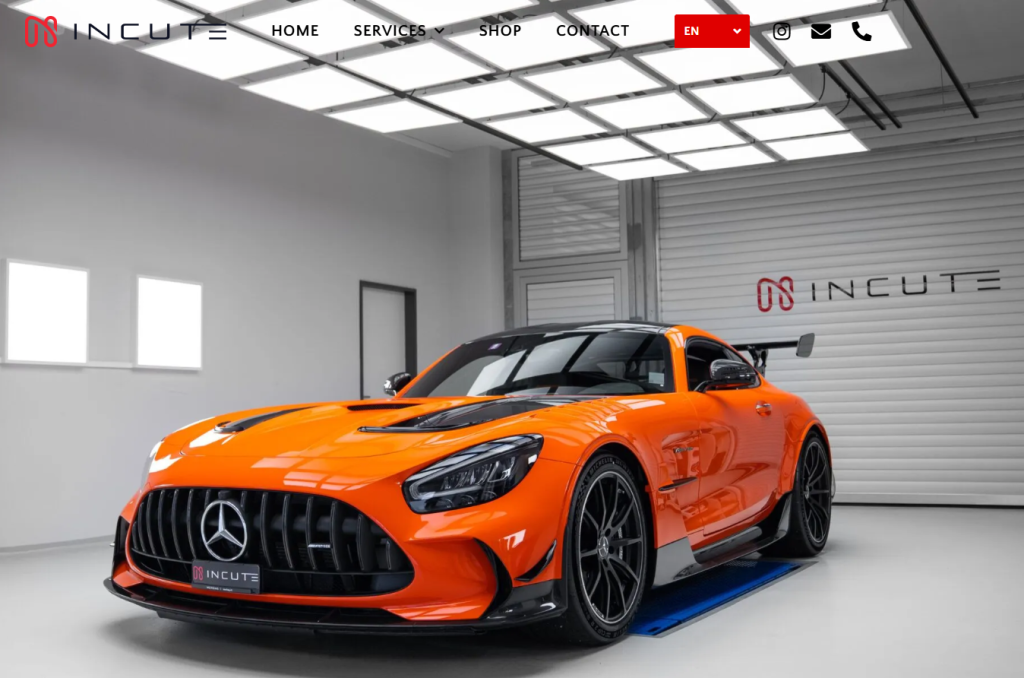
When a customer lands on an auto detailing website, their decision to book a service isn’t just influenced by flashy images or pricing tables—it’s often shaped by the small details that make the site feel responsive, intuitive, and trustworthy. These details, known as micro-interactions, play a crucial role in guiding users, giving feedback, and creating a seamless experience.
For auto detailing businesses, where online bookings are often the first interaction with a potential client, micro-interactions can significantly impact trust, engagement, and conversions. They’re subtle, almost invisible, but when done correctly, they make the difference between a visitor bouncing and a visitor booking.
This article explores what micro-interactions are, why they matter for auto detailing websites, and how to implement them effectively to improve user experience and boost business.
1. What Are Micro-Interactions?
Micro-interactions are small, single-purpose events on a website that respond to a user’s actions, providing feedback or guiding behavior. Unlike major design elements, they’re subtle but powerful, making a website feel alive and interactive.
On an auto detailing website, micro-interactions could include hover effects on service cards, subtle animations confirming a booking, or interactive tooltips explaining service details. They don’t overwhelm the user but enhance usability and engagement, creating a smoother experience. By incorporating these tiny interactions, websites can feel more intuitive and professional, giving users confidence in taking the next step, like booking a premium detailing service or requesting a quote.
2. Why Micro-Interactions Matter for Auto Detailing UX
Micro-interactions are more than just visual flair—they’re essential for usability, trust, and engagement. For auto detailing websites, where customers often book services online without a prior personal interaction, the right micro-interactions can make visitors feel secure and guided.
For example, animated confirmation when submitting a booking form reassures users that their request was received. Hover animations on service packages highlight offerings without overwhelming the user. Even tiny feedback cues, like a checkmark after selecting add-on services, increase confidence and reduce friction. These interactions can also subtly communicate the brand’s attention to detail, professionalism, and care—critical factors when customers are entrusting their vehicles to a service provider.
3. Best Practices for Implementing Micro-Interactions
When adding micro-interactions to your auto detailing website, purpose, consistency, and speed are key. Every animation or feedback should have a reason: to guide the user, provide confirmation, or enhance engagement.
Start with feedback loops, like checkmarks on selected services or animated progress bars during bookings. Ensure consistency in style, color, and speed across the website to avoid confusion. Keep animations lightweight and fast, as slow transitions can frustrate users. Additionally, interactions should delight without distracting—for instance, a subtle hover effect or a playful animation on premium services communicates professionalism and joy without compromising usability. Properly implemented micro-interactions create a frictionless, enjoyable user experience, increasing the likelihood of completed bookings and satisfied customers.
4. Examples of Effective Micro-Interactions for Auto Detailing Websites
Auto detailing websites can leverage micro-interactions in multiple ways to improve UX. Interactive service cards can reveal package details when hovered, guiding users to choose the right service. Booking forms benefit from real-time validation, highlighting errors or confirming successful submissions.
Other examples include animated add-on selections, smooth scrolling for navigation, and subtle feedback when users interact with testimonials or ratings. Even small details like loading spinners with friendly messages (“Almost done booking your shine!”) can reduce perceived wait times and enhance trust. These carefully crafted micro-interactions make websites feel professional and polished, reflecting the high-quality service offered by the detailing business.
5. The Psychology Behind Micro-Interactions
Micro-interactions leverage behavioral psychology principles to improve engagement and user satisfaction. They give feedback, help users understand affordances, and introduce subtle moments of delight.
For instance, when a user clicks a “Book Now” button and sees a smooth animation confirming the action, it reinforces their behavior positively, increasing confidence in their decision. Hover effects and interactive cues guide attention and reduce uncertainty. Subtle delights, like animated stars in reviews or progress bars, create positive emotional responses, which increase the likelihood of conversions. By aligning design with human psychology, micro-interactions make auto detailing websites not only functional but memorable.
6. Measuring the Impact of Micro-Interactions
To ensure your micro-interactions are effective, you need measurable insights. Track form completion rates, bounce rates, and session duration to see if users are engaging more smoothly. Use heatmaps to identify whether users notice interactive elements and A/B test micro-interaction designs to determine which variations improve engagement and bookings.
Gather qualitative feedback through surveys or in-page prompts to understand user perception. Even subtle improvements in micro-interactions can significantly impact conversions, particularly in industries like auto detailing, where trust and convenience are paramount. Regular monitoring ensures that these interactions remain effective, enjoyable, and aligned with business goals.
Frequently Asked Questions (FAQs)
Q1: What is a micro-interaction, and why is it important for a website?
A micro-interaction is a small, single-purpose event that responds to a user’s action, like a button hover effect or form confirmation animation. It’s important because it provides feedback, guides users, and enhances engagement. On auto detailing websites, these interactions can improve trust and make booking services easier, resulting in higher conversions.
Q2: How do micro-interactions improve user experience for auto detailing websites?
Micro-interactions reduce friction, guide visitors through services, and give confirmation for completed actions. They make the site feel responsive, professional, and trustworthy, which is critical when users are booking services without speaking to anyone directly.
Q3: Can micro-interactions increase conversions on my website?
Yes. When implemented effectively, micro-interactions encourage users to complete desired actions, like booking a service or adding extra packages. Small cues, like checkmarks, hover highlights, or animated confirmations, increase confidence and make users more likely to follow through.
Q4: Are micro-interactions suitable for mobile auto detailing websites?
Absolutely. Mobile users rely heavily on visual and tactile feedback. Micro-interactions like touch feedback, animated buttons, and tooltips help guide users, reduce errors, and enhance overall mobile UX, which is essential for on-the-go bookings.
Q5: How do I measure the success of micro-interactions?
Measure success through metrics like form completion rates, bounce rates, session duration, and heatmaps. Collect qualitative feedback from users to ensure interactions are intuitive and delightful. Even small improvements can have a noticeable impact on engagement and conversions.
Conclusion
Micro-interactions are the unsung heroes of website UX, especially for auto detailing businesses. They make websites feel responsive, guide visitors, provide feedback, and subtly convey professionalism and attention to detail.
From hover effects on service cards to animated booking confirmations, these tiny elements enhance trust, reduce friction, and improve conversions. For auto detailing businesses, where online bookings are often the first touchpoint, every micro-interaction counts.
By thoughtfully implementing and monitoring micro-interactions, you can create a user-friendly, engaging, and memorable website that not only attracts visitors but turns them into loyal customers.