
peed matters more than ever for auto detailing websites. Most visitors are local, mobile users who want quick answers, fast loading pages, and an easy way to book. If your site takes too long to load, they won’t wait—they’ll move on to a competitor.
Lazy loading is one of the most effective performance techniques for service-based websites. When used correctly, it significantly improves load times without sacrificing visuals or content. In this article, we’ll explain what lazy loading is, why it matters for auto detailing websites, and how to implement it properly for better speed, SEO, and conversions.
1. What Is Lazy Loading and How Does It Work?
Lazy loading is a technique that delays the loading of non-critical elements—such as images, videos, and iframes—until they are actually needed. Instead of loading everything at once, the browser loads content only when it enters the user’s viewport.
For auto detailing websites, which often rely heavily on high-resolution before-and-after images, lazy loading can drastically reduce initial load time. Visitors see the important content first, while secondary visuals load smoothly as they scroll. This creates a faster, more responsive experience without compromising design quality.
2. Why Lazy Loading Is Critical for Auto Detailing Websites
Auto detailing websites are image-heavy by nature. Galleries, service photos, testimonials, and portfolios can slow down performance if everything loads at once. Lazy loading solves this by prioritizing essential content.
Faster load times improve user experience and reduce bounce rates—especially on mobile devices. Google also considers page speed a ranking factor, meaning lazy loading indirectly supports SEO. When users don’t have to wait, they’re more likely to stay, explore services, and complete bookings.
3. Lazy Loading Images Without Hurting Visual Impact
Images are usually the biggest performance bottleneck. Lazy loading allows you to keep high-quality visuals while still maintaining speed. Modern browsers support native lazy loading using simple attributes, making implementation easier than ever.
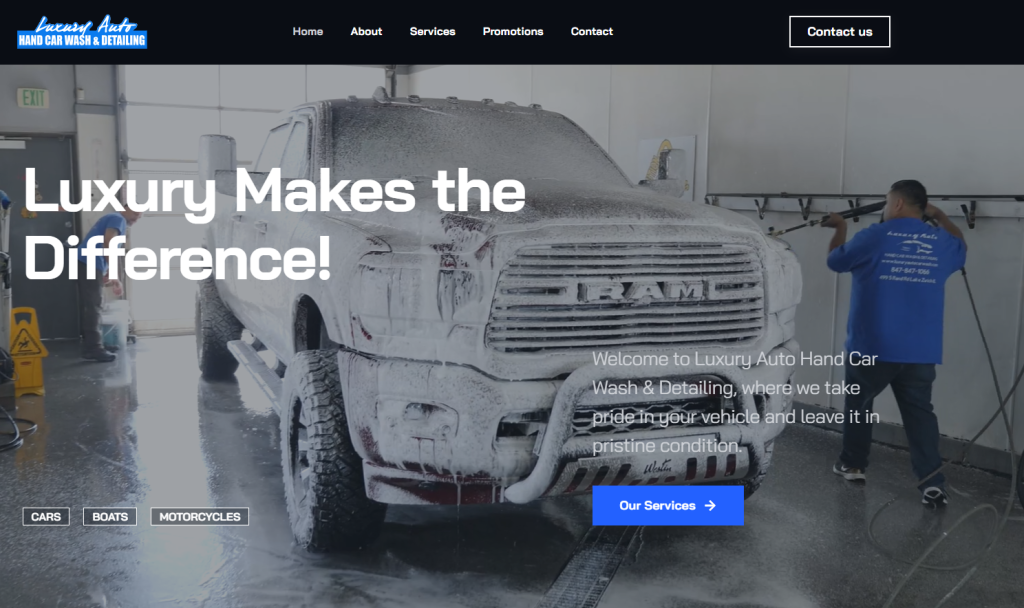
For auto detailing websites, prioritize loading hero images and above-the-fold visuals immediately. All other images—such as gallery shots and secondary service photos—should load lazily. When combined with proper image sizing and compression, lazy loading delivers a fast yet visually impressive experience.
4. Lazy Loading Videos and Embedded Content
Videos and third-party embeds like Google Maps or Instagram feeds are heavy resources. Lazy loading these elements can dramatically improve initial page load speed.
For example, instead of loading a full YouTube video immediately, you can display a lightweight preview image that loads the video only when clicked. Auto detailing websites often embed location maps or review widgets—lazy loading these ensures they don’t block important content or delay user interaction.
5. SEO Considerations When Using Lazy Loading
Lazy loading must be implemented carefully to avoid SEO issues. Search engines need to be able to crawl and index content properly. Modern lazy loading techniques are search-engine friendly when done correctly.
Ensure that important content isn’t hidden behind user interactions and that images include proper alt text. Use native lazy loading where possible and avoid JavaScript-heavy solutions that block crawlers. When done right, lazy loading improves Core Web Vitals without sacrificing search visibility.
6. Lazy Loading for Mobile Performance and Conversions
Mobile users benefit the most from lazy loading. Slower connections and limited data plans make performance critical. Lazy loading reduces data usage and speeds up page rendering on mobile devices.
For auto detailing businesses, this means faster service pages, quicker gallery browsing, and smoother booking flows. A faster mobile experience directly correlates with higher engagement and better conversion rates. When your site feels instant, users are far more likely to book.
7. Common Lazy Loading Mistakes to Avoid
Not all lazy loading implementations are effective. A common mistake is lazy loading above-the-fold content, which causes visible delays or blank sections. Another issue is failing to reserve space for images, resulting in layout shifts.
Avoid using outdated JavaScript libraries that negatively impact performance. Always test lazy loading across devices and browsers. Proper implementation ensures smooth scrolling, stable layouts, and a professional user experience.
Frequently Asked Questions (FAQs)
What is lazy loading in simple terms?
Lazy loading means loading content only when it’s needed. Instead of loading all images and videos at once, the website loads them as users scroll. This reduces initial load time and makes the site feel faster.
Does lazy loading improve SEO for auto detailing websites?
Yes, indirectly. Faster load times improve user experience and Core Web Vitals, which are ranking factors. As long as lazy loading is implemented correctly, it won’t hurt indexing and can support better search performance.
Should I lazy load all images on my website?
No. Above-the-fold images, such as hero banners and primary visuals, should load immediately. Lazy loading is best for below-the-fold content like galleries and secondary images.
Is lazy loading safe for mobile users?
Yes, it’s especially beneficial for mobile users. Lazy loading reduces data usage and speeds up rendering on slower connections, improving engagement and conversions.
Do I need a developer to implement lazy loading?
Not always. Many modern platforms and CMSs support native lazy loading. However, for advanced setups or custom implementations, a developer can ensure optimal performance and avoid mistakes.
Conclusion
Lazy loading is no longer optional for auto detailing websites—it’s a performance necessity. With image-heavy content and mobile-first users, loading everything at once simply doesn’t make sense.
When implemented correctly, lazy loading improves speed, enhances user experience, supports SEO, and increases bookings. It allows your website to look great without sacrificing performance.
If you want a faster, more conversion-focused auto detailing website, lazy loading is one of the smartest upgrades you can make.